

What is the Metaverse?
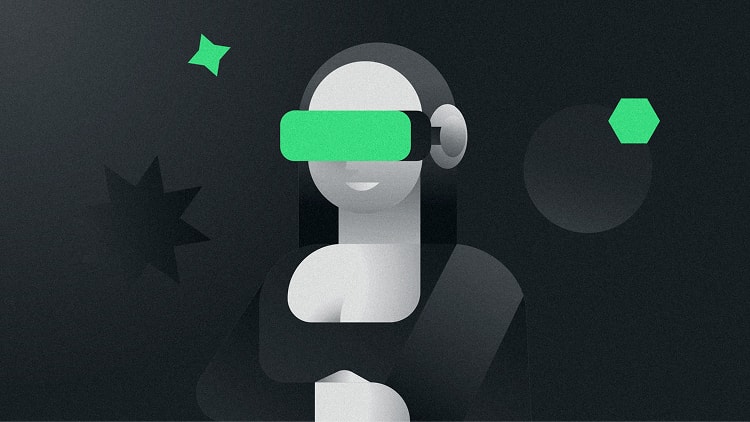
The metaverse is an umbrella term for a collection of virtual worlds where people use digital avatars to interact with one another. Most metaverse projects are still in the embryonic stages of their development but already offer a list of services.
Metaverse platforms are home to their own in-world economies where users can buy, sell, and trade anything from virtual clothing to lavish digital real estate. Events like music concerts can also be hosted in the metaverse with it serving as a venue for business meetings and social gatherings as well.
Today, blockchain technology and cryptocurrency form the bedrock of the metaverse but the concept has older roots. The idea of a metaverse was first illustrated in a science fiction novel by Neal Stephenson in 1992 that envisaged people flocking to a digital safe haven to escape a dystopian reality.
Participants can use their smartphones or computers to step into the metaverse and visit digital art museums or try their luck in virtual casinos that only deal in crypto. These experiences can be augmented with virtual reality (VR) headsets and other equipment that brings a more immersive experience to life.
What are NFTs?
NFTs are acronyms for non-fungible tokens. Put simply, NFTs are one-of-a-kind digital items that can be anything from images and soundtracks to virtual real estate in the metaverse.
What makes an NFT unique is that it lends itself to the same technology that underpins cryptocurrency: blockchains.
Possessing an NFT gives holders sole ownership and they are welcome to sell or trade it as they please by sending it from one wallet to another.
The first ever NFT to be created or “minted” is widely credited to the digital artist Kevin McCoy. In 2014, McCoy minted “Quantum” – an animated octagon that changes in vibrant colours.
But NFTs only surged to popularity in 2021 as a number of established designers, musicians, and commercial brands looked to embrace the new zeitgeist.
This growing trend proves that digital scarcity controlled by code, as with NFTs, is just as desirable as physical scarcity of objects in the offline world.
While the first mainstream use of NFTs is for digital art or cultural collectibles, their utility potentially extends much further than this. They can serve as digital records of identity documents, tax receipts, or even patient medical records.
Important Information
This publication constitutes a marketing communication and is provided for informational purposes only. It does not constitute investment advice, a personal recommendation, or an offer or solicitation to buy or sell any financial instrument.
This document (which may take the form of a presentation, press release, social media post, blog article, broadcast communication or similar instrument – collectively referred to as a “Document”) is issued by Bitwise Europe GmbH (“BEU” or the “Issuer”) and has been prepared in accordance with applicable laws and regulations, including those relating to financial promotions.
Bitwise Europe GmbH, incorporated under the laws of Germany, is the issuer of the Exchange Traded Products (“ETPs”) referenced in this Document under a base prospectus and the applicable final terms, as supplemented from time to time, approved by the German Federal Financial Supervisory Authority (BaFin). The approval of the prospectus by BaFin relates solely to the completeness, coherence and comprehensibility of the prospectus in accordance with the Prospectus Regulation and does not constitute an endorsement, recommendation or assessment of the merits of the products.
The market analyses, views and scenarios presented reflect the assessment as of the date of publication and are based on information considered reliable. However, no representation or warranty is made as to their accuracy or completeness. Forward-looking statements involve risks and uncertainties and are not guarantees of future performance. Past performance is not a reliable indicator of future results.
Capital at risk. Cryptoassets are highly volatile and involve a high degree of risk. The value of investments in cryptoassets and crypto-linked ETPs may fluctuate significantly, and investors may lose part or all of their invested capital. No capital protection or guaranteed compensation mechanism applies in respect of market losses.
Any investment decision should be made solely on the basis of the relevant base prospectus, the applicable final terms and the key information document, in particular the section entitled “Risk Warning”. The base prospectus, final terms and additional risk information are available at: www.bitwiseinvestments.eu
Access to certain documents may require self-certification regarding your jurisdiction and investor status and may be subject to additional disclaimers and important information.
For further details, please refer to the full disclaimer available at: www.bitwiseinvestments.eu/disclaimer


